

The Baker’s Secret: Why Leaf Lard Belongs in Your Pastry Kitchen
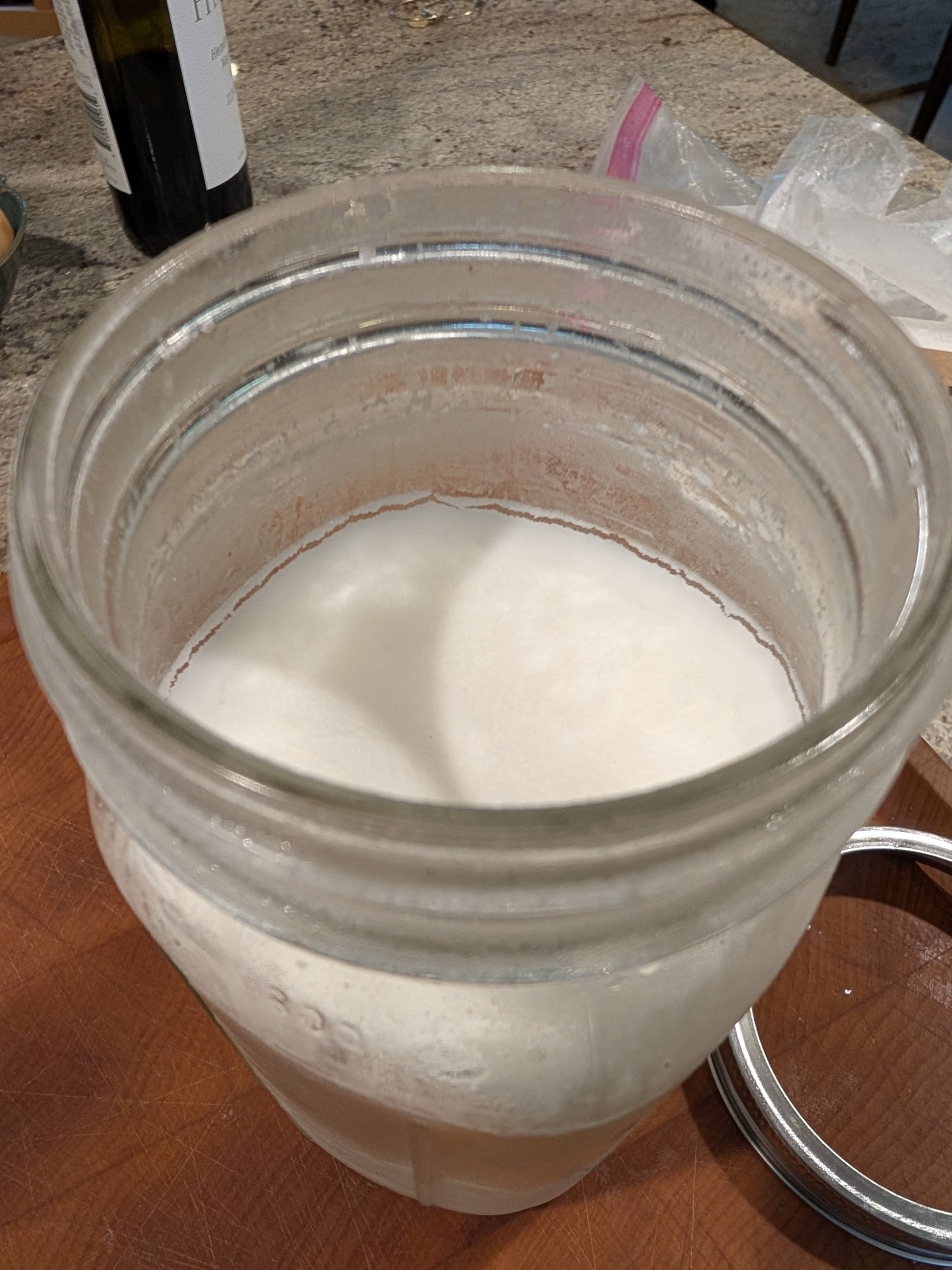
a mason jar full of fresh farm sourced leaf lard
There is a quiet magic that happens in a kitchen when you slow down and return to the heritage methods of baking. For years, my absolute go-to secret for the perfect pastry has been something that our grandmothers knew by heart, but modern kitchens too often forget: leaf lard.
Like most modern bakers, I grew up knowing all about standard vegetable shortening, Crisco, and the generic tubs of "lard" on the grocery store shelves. But I didn't really discover true leaf lard until about 15 years ago. Finding it completely transformed what I expect from a pastry. Once you experience the texture and quality it yields, there is simply no going back to mass-produced alternatives.
Now, before we dive into the glorious science of the perfect crust, I must pause and offer a gentle apology to the health-conscious crowd, the calorie counters, and those dedicated strictly to a modern heart-healthy diet. If animal fats are off-limits in your kitchen, look away now! That said, I’ll be the first to admit that I don’t subscribe to the idea that a little high-quality, natural animal fat is bad for you. When it's pure, unadulterated, and used with intention, it is a beautiful thing. And in the world of pastry, it is utterly unmatched.
What Exactly is Leaf Lard?
If you’ve never baked with it, you might wonder what makes leaf lard so special compared to the standard block of lard you find on a grocery store shelf.
Leaf lard is the absolute highest grade of lard available. It is not just generic pig fat; rather, it is specifically the clean, white, dense fat obtained from around the kidneys and inside the loin of the animal. It gets its name from the way the fat naturally forms in a leaf-like shape inside the loin. Because this specific fat doesn't come from the muscle or skin, it has a completely neutral flavor and aroma—meaning your sweet pies will never taste like breakfast bacon or pork chops. It is exceptionally clean, snow-white when rendered, and possesses a high melting point that is pure gold for baking.
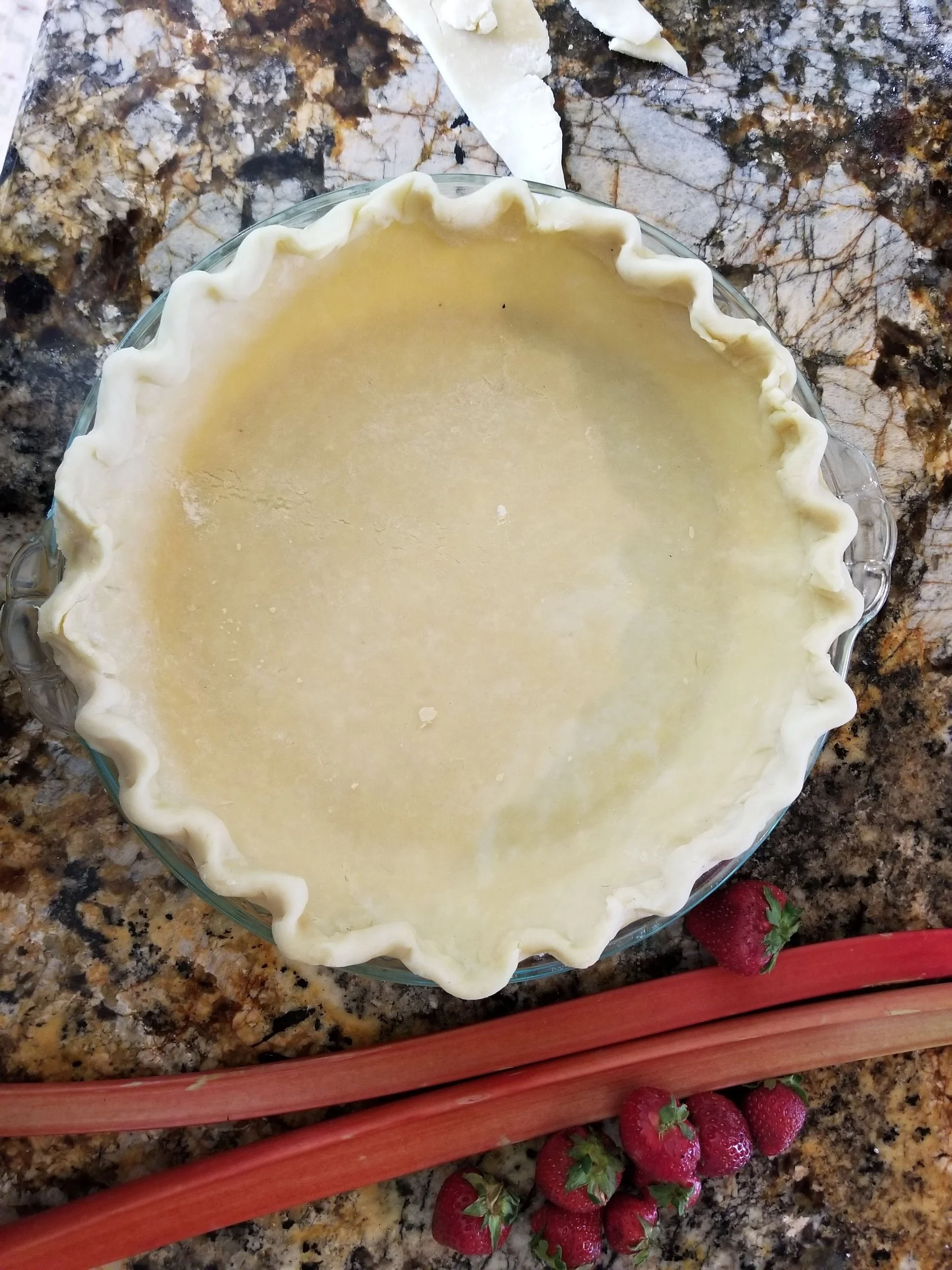
Handmade Pie Crust
Why Sourcing Matters
Because leaf lard comes from an internal organ fat depot, sourcing is absolutely everything. I cannot emphasize enough how important it is to source your leaf lard from a responsible, sustainable farm where pigs are raised in their natural environments.
Animals store toxins and the effects of their diet directly in their fat. When pigs are raised happily outdoors—rooting through woodlots, grazing on pastures, soaking up the sunshine, and eating a natural diet—they produce fat that is clean, healthy, and incredibly rich in Vitamin D. Commercial, factory-farmed lard is often hydrogenated, chemically bleached, and loaded with preservatives just to make it shelf-stable. To get that pure, clean, superior bake, you want to seek out a local farmer or a trusted heritage butcher who respects the animal and the land. It is a difference you can truly taste and feel.
The Dynamic Duo: Leaf Lard + Butter
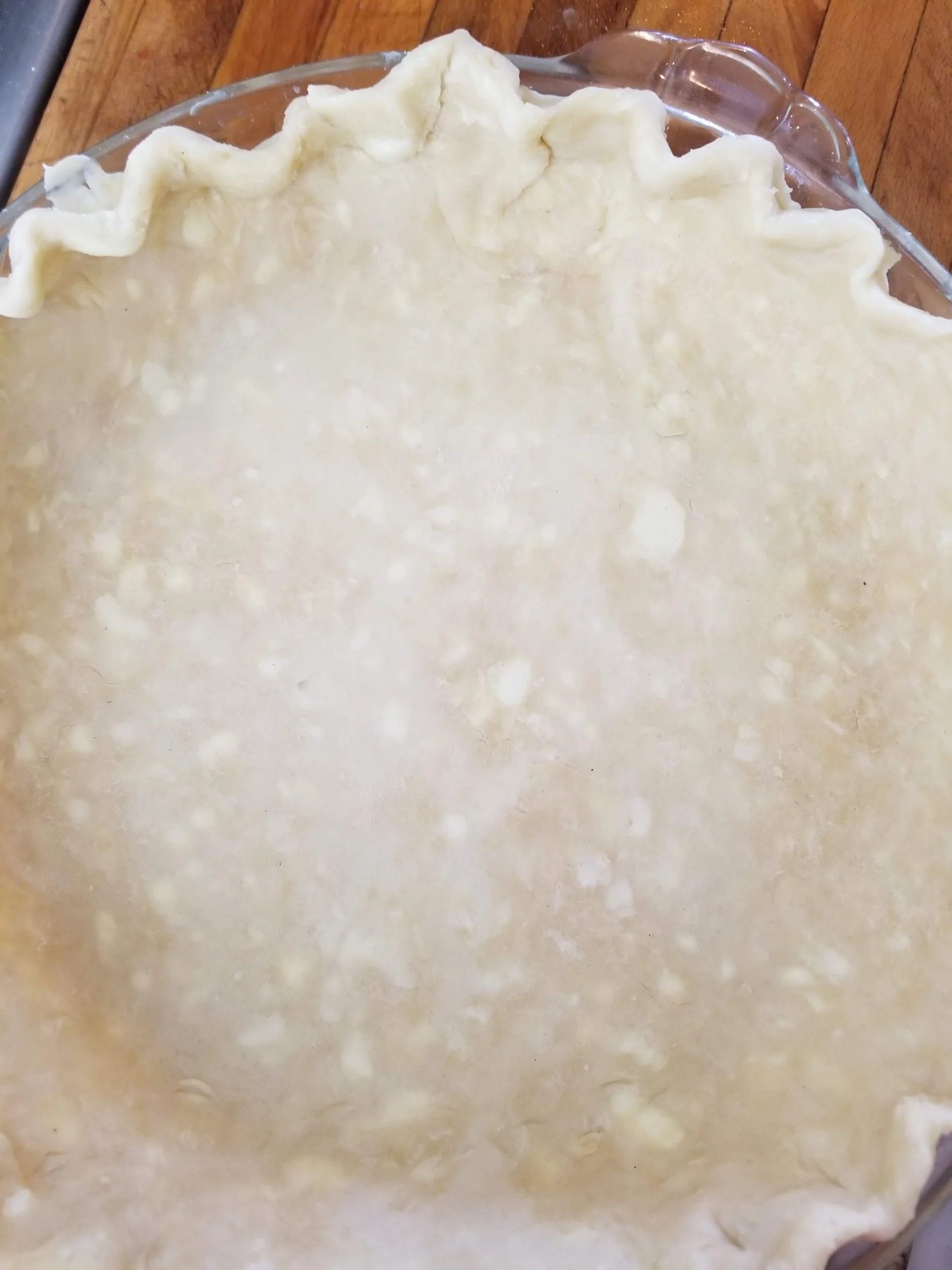
hand rolled pie crust with flecks of butter and leaf lard throughout
Over the years, I’ve experimented with every fat combination under the sun, but my absolute favorite method is using a precise combination of leaf lard and high-quality butter.
It’s a beautiful partnership of science and flavor:
The Leaf Lard yields a texture that is impossibly, incomparably flaky. Because it has a higher melting point than butter, it stays intact longer as the oven heats up, creating distinct, delicate layers of steam that puff the dough into shatteringly crisp sheets.
The Butter brings the richness. Pure lard alone can lack that deep, comforting, traditional flavor profile, so cutting it with butter ensures you get that rich, melt-in-your-mouth taste alongside the ultimate texture.
When you bring these two together, the outcome is simply superior to anything else.
The Magic of From-Scratch Crusts
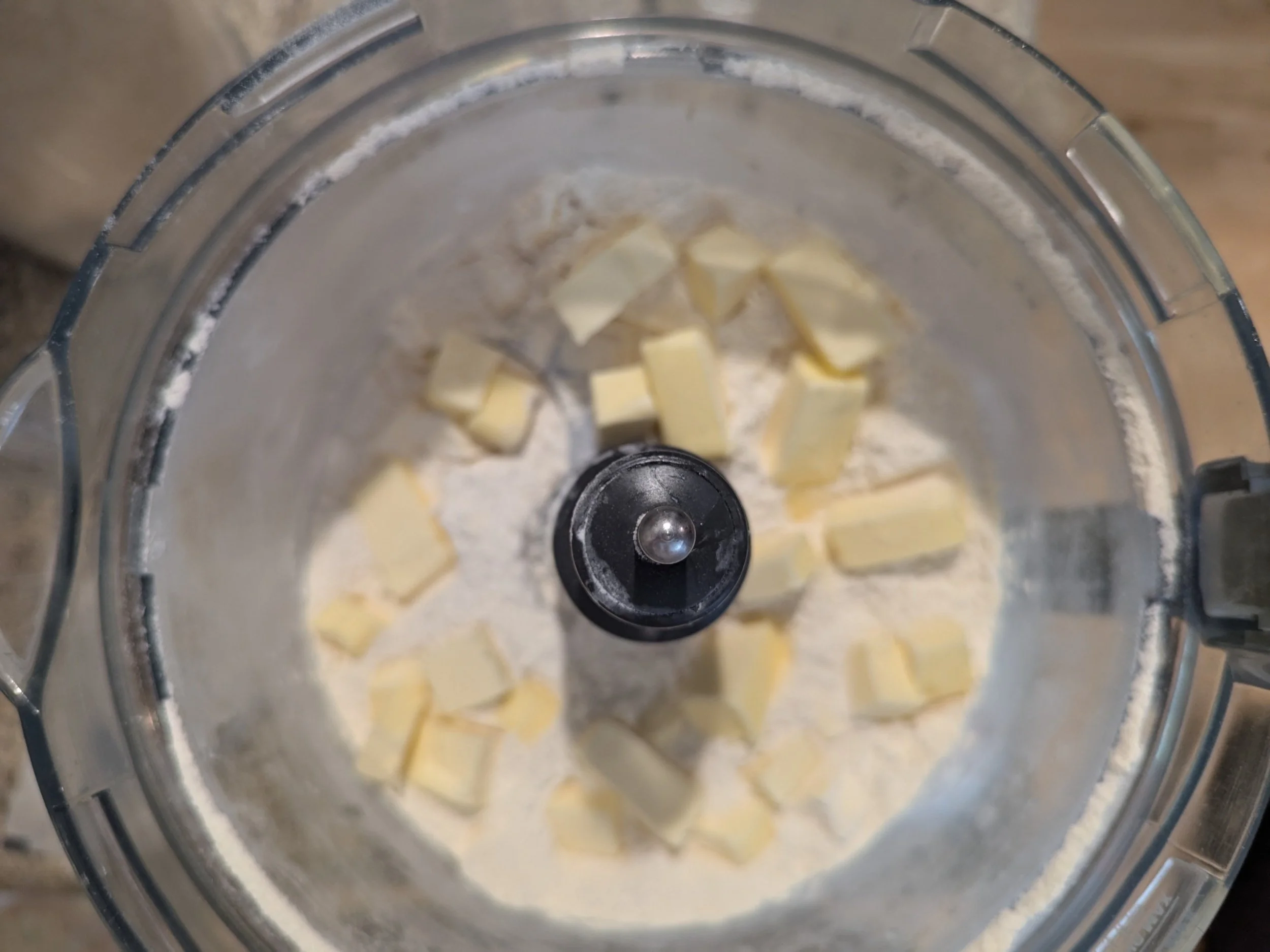
Food processor bowl with cubes of butter and leaf lard throughout, and flour
But a superior fat choice is only half the battle.
I firmly believe that any pie is kicked up a million notches if you make the crust entirely from scratch.
There is a common myth out there that homemade pie crust is difficult, finicky, and best left to professionals. I’m here to tell you that it’s just not true. Making a crust from scratch isn't difficult at all. It requires no fancy equipment—just cold ingredients, a light hand, a little patience, and the willingness to get your fingers a bit dusty with flour.
When you roll out your own dough, feeling the distinct flecks of cold butter and leaf lard right under your rolling pin, you are connecting to a long lineage of bakers who valued the process just as much as the final bite.
The difference between a store-bought, rolled-up convenience crust and a homemade, leaf-lard-and-butter crust is night and day. One is merely a vessel for filling; the other is a masterpiece in its own right.
So, the next time you prepare to bake a seasonal fruit pie or a rich galette, step away from the convenience aisle. Seek out some pure, responsibly rendered leaf lard, cube up your favorite butter, and clear off your countertop. Your kitchen will smell incredible, your hands will be busy with a beautiful craft, and your first bite of that shatteringly flaky, rich crust will prove that the old ways are still the best ways.
Happy baking!
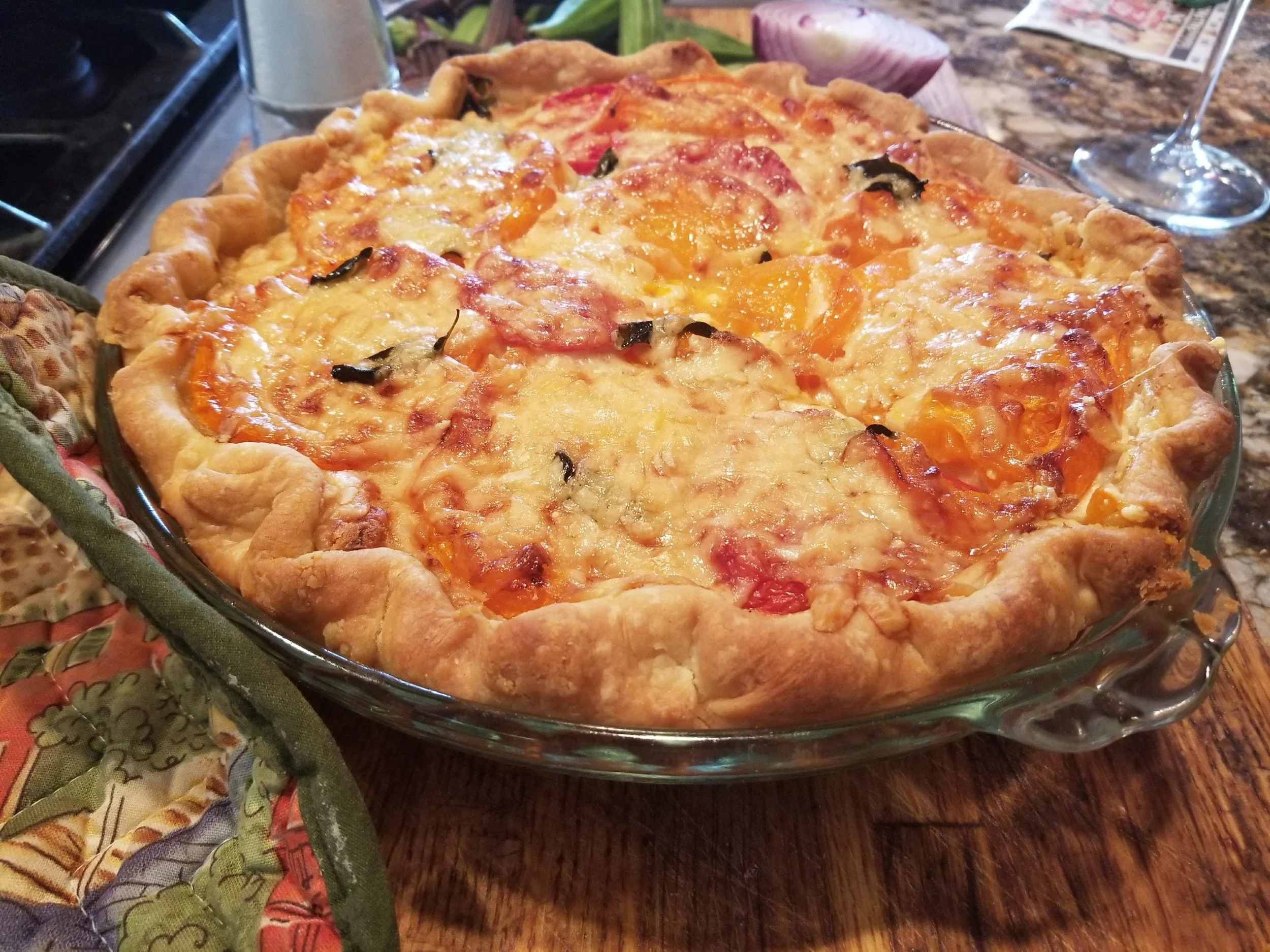
Tomato Pie in handmade crust
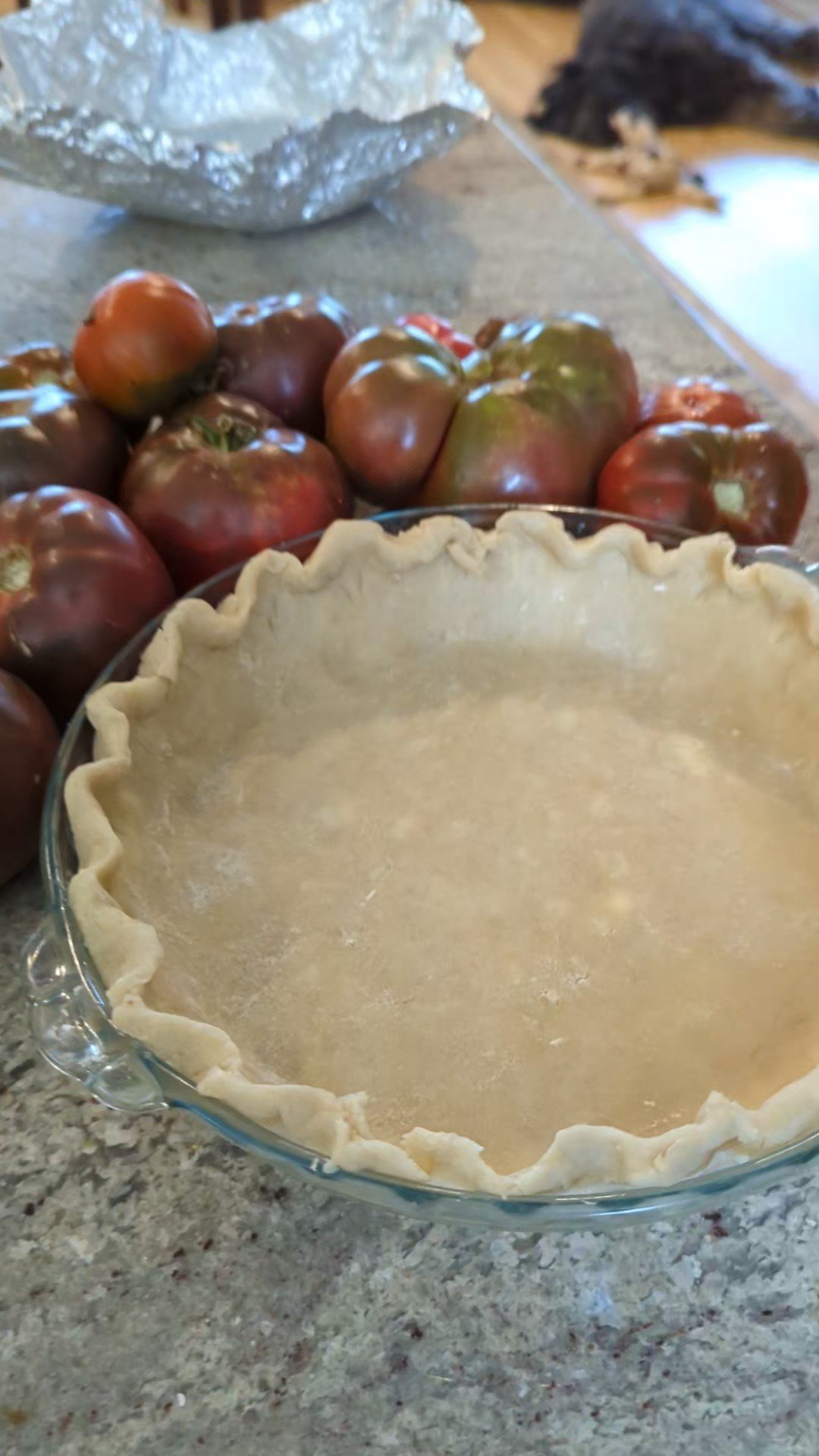
3 Cups of AP flour
1 T sugar
1 teaspoon salt
12 T very cold butter
1/4 Cup very cold lard
up to 1/2 cup very cold water