

What Is Lanolin? The Skincare Ingredient That Comes from Sheep
Most people first hear about lanolin on the back of a lip balm tube. They skim past it, wedged between beeswax and cocoa butter, and think nothing of it. But lanolin’s story begins long before the label — it begins with a sheep standing in the rain.
I learned that on a farm tour. I showed up in my technical rain gear, waterproof seams and all, feeling proud of my modern protection. The farmer walked out to meet us in a well-worn wool sweater. Rain beaded and ran right off him. His sweater, still rich with lanolin, wore its own natural weatherproofing.
When you next read “lanolin” on a tube, imagine the rain on a pasture, a farmer in a wool sweater, and the quiet, sustainable cycle that turns nature’s own barrier into something that protects you. That’s more than chemistry — it’s a connection between human care and the resilient, regenerative work of sheep and farmers.
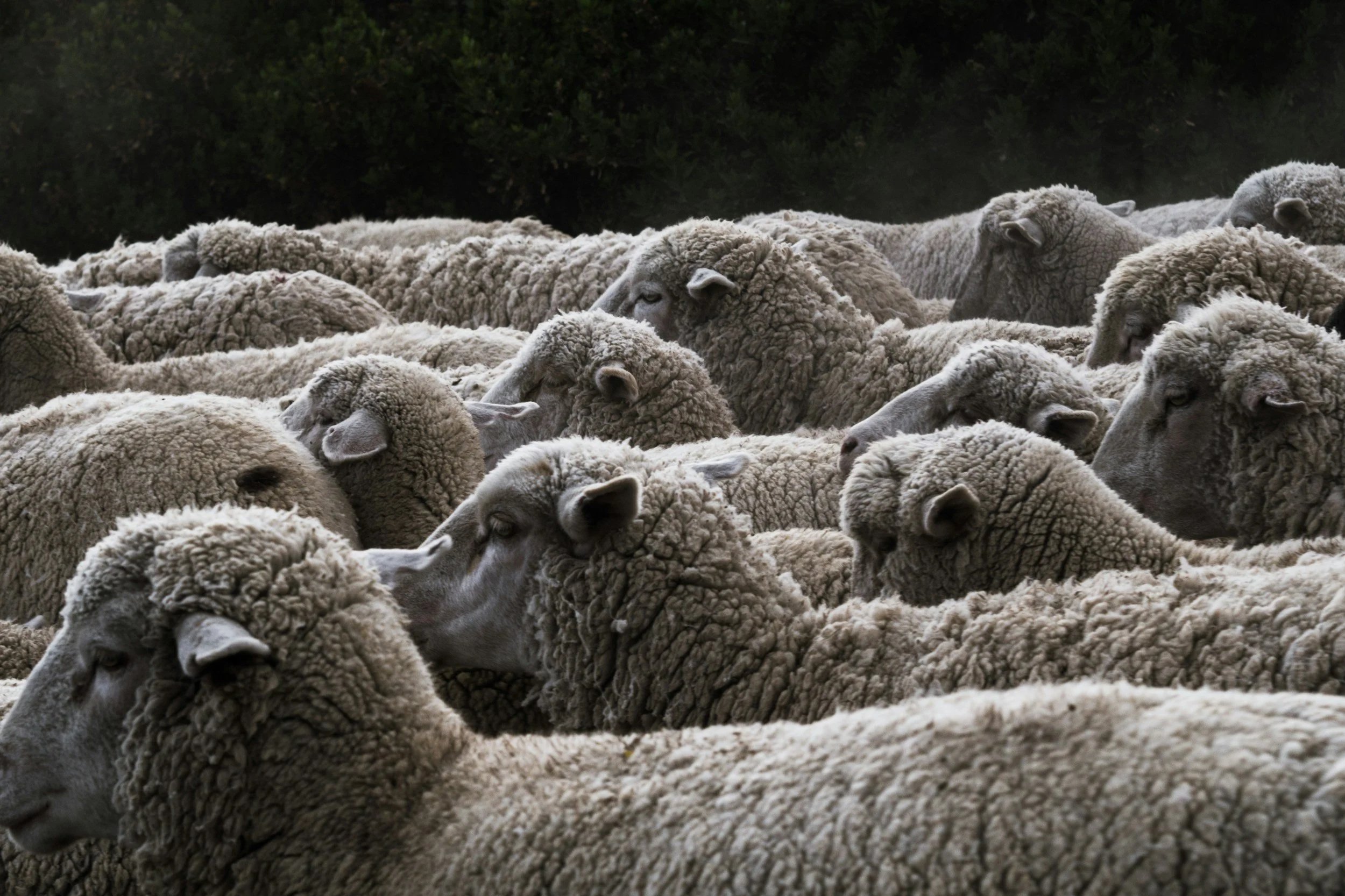
sheep
We've been raising sheep on our farm in North Carolina for going on twenty years. Every spring, when we shear the flock, the wool comes off thick with a waxy, golden substance that coats every fiber, and our hands! It’s heavenly. That substance is lanolin, and it's what keeps our sheep dry in downpours, protected from wind, and comfortable through the seasons. It's nature's original moisturizer — and it works just as well on human skin as it does on wool.
Here's everything you should know about it.
What lanolin actually is
Lanolin is a natural wax produced by the sebaceous glands in a sheep's skin. It coats the wool fibers as they grow, creating a waterproof, protective layer. If you've ever handled raw wool straight off a sheep, you've felt it — that slick, slightly sticky quality on your fingers. That's lanolin.
Chemically, lanolin is a complex blend of esters, fatty acids, and alcohols. It's often called "wool fat" or "wool wax," but technically it's neither — it doesn't contain triglycerides like true fats do. What makes it remarkable for skincare is that its molecular structure closely resembles the oils our own skin produces. Your skin recognizes it, which is why it absorbs so readily and rarely feels greasy once it settles in.
How lanolin is collected
This is the part that matters to us as farmers, and it's the part most skincare articles skip entirely.
Lanolin is collected during the wool washing process after shearing. The sheep are shorn — which they need regardless, since domesticated sheep don't shed their fleece naturally — and the raw wool goes through a washing process. During this process, warm water and a soap separate the lanolin from the wool fibers. The lanolin-rich water is then run through a centrifuge, which separates the wax from the water.
What lanolin does for your skin
Lanolin is both an emollient and an occlusive moisturizer, which means it works in two ways at once.
It softens skin. As an emollient, lanolin fills in the tiny gaps between skin cells, smoothing rough or flaky patches. It's especially effective on areas prone to cracking — hands, elbows, heels, and lips.
It locks in moisture. As an occlusive, lanolin creates a breathable barrier on the skin's surface that slows water loss. Studies have shown it can reduce moisture loss from the skin by 20 to 30 percent. But unlike petroleum-based occlusives, lanolin is semi-permeable — it lets the skin breathe while still holding moisture in.
It holds water. Lanolin can absorb and hold up to twice its weight in water. This means it doesn't just sit on the surface; it actively helps your skin stay hydrated over time.
It supports healing. Lanolin has a long history of use on minor cuts, chapped skin, and irritated areas. Nursing mothers have used it for sore nipples for decades, and it's a common ingredient in diaper rash treatments. Its ability to both moisturize and create a protective barrier makes it effective for skin that's compromised or healing.
Lanolin for lips
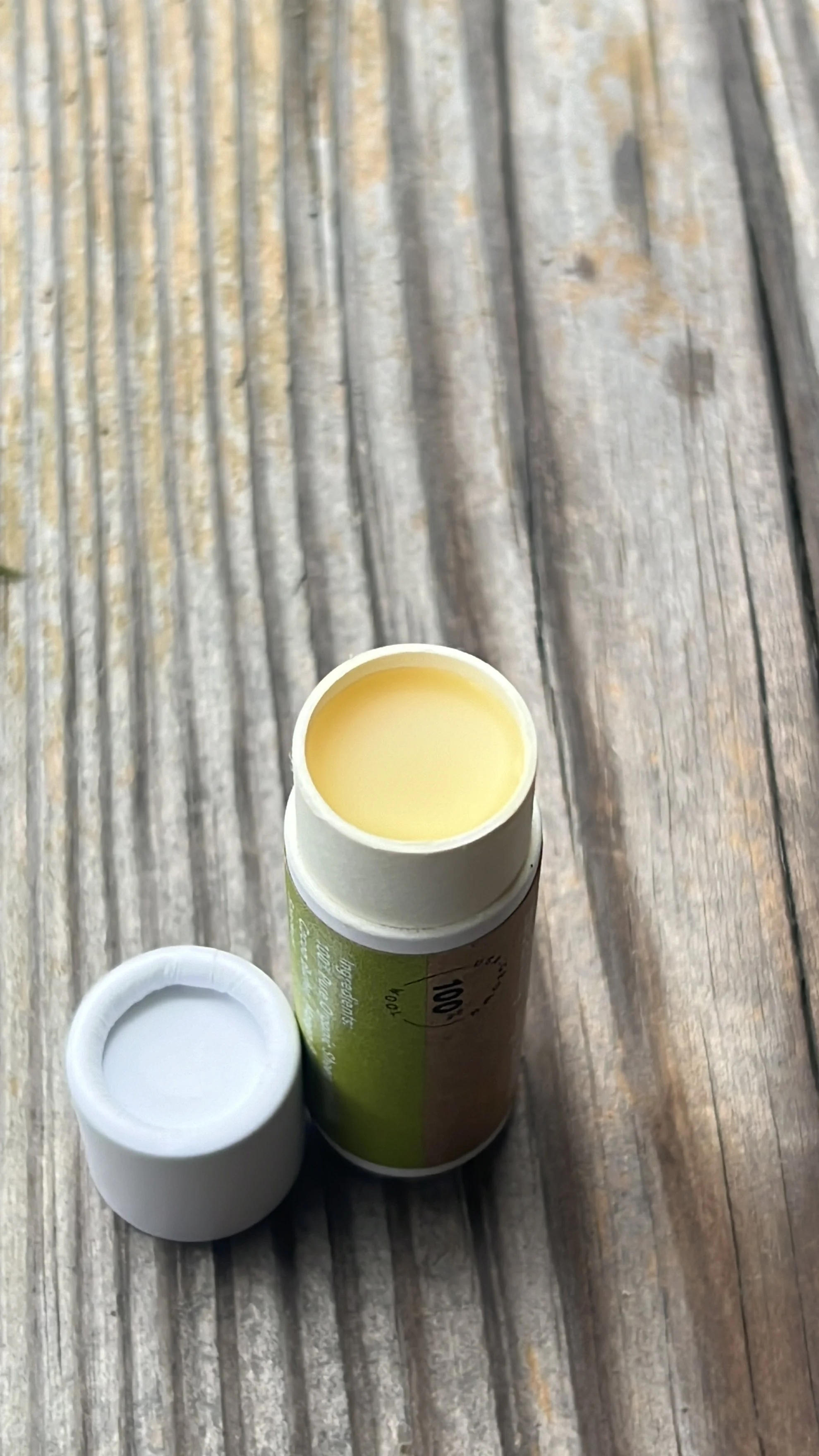
Stoney Mountain Farm lanolin Lip balm tube
This is where lanolin really shines, and it's one of the reasons we developed our lanolin lip balm.
Most lip balms sit on the surface of the lips. They feel moisturizing for a few minutes, then evaporate or rub off, leaving you reaching for the tube again. Lanolin is different — it actually penetrates the lip's moisture barrier rather than just coating the surface. That's why a good lanolin lip balm lasts longer and works deeper than alternatives based on petroleum jelly or coconut oil.
Our lip balm is made with pure organic sheep lanolin from our own flock, combined with cocoa butter, mango butter, and beeswax. It's small-batch, hand-poured, and packaged in an eco-friendly kraft push-up tube. No petroleum, no synthetic fragrances, no plastic packaging.
Lanolin for dry and working hands
If you've ever had hands so dry they crack and bleed — from winter weather, from constant washing, from working outdoors — lanolin is one of the most effective things you can put on them. Apply a thin layer before bed, and by morning the difference is noticeable. Farmers, nurses, mechanics, and anyone who washes their hands frequently swear by it.
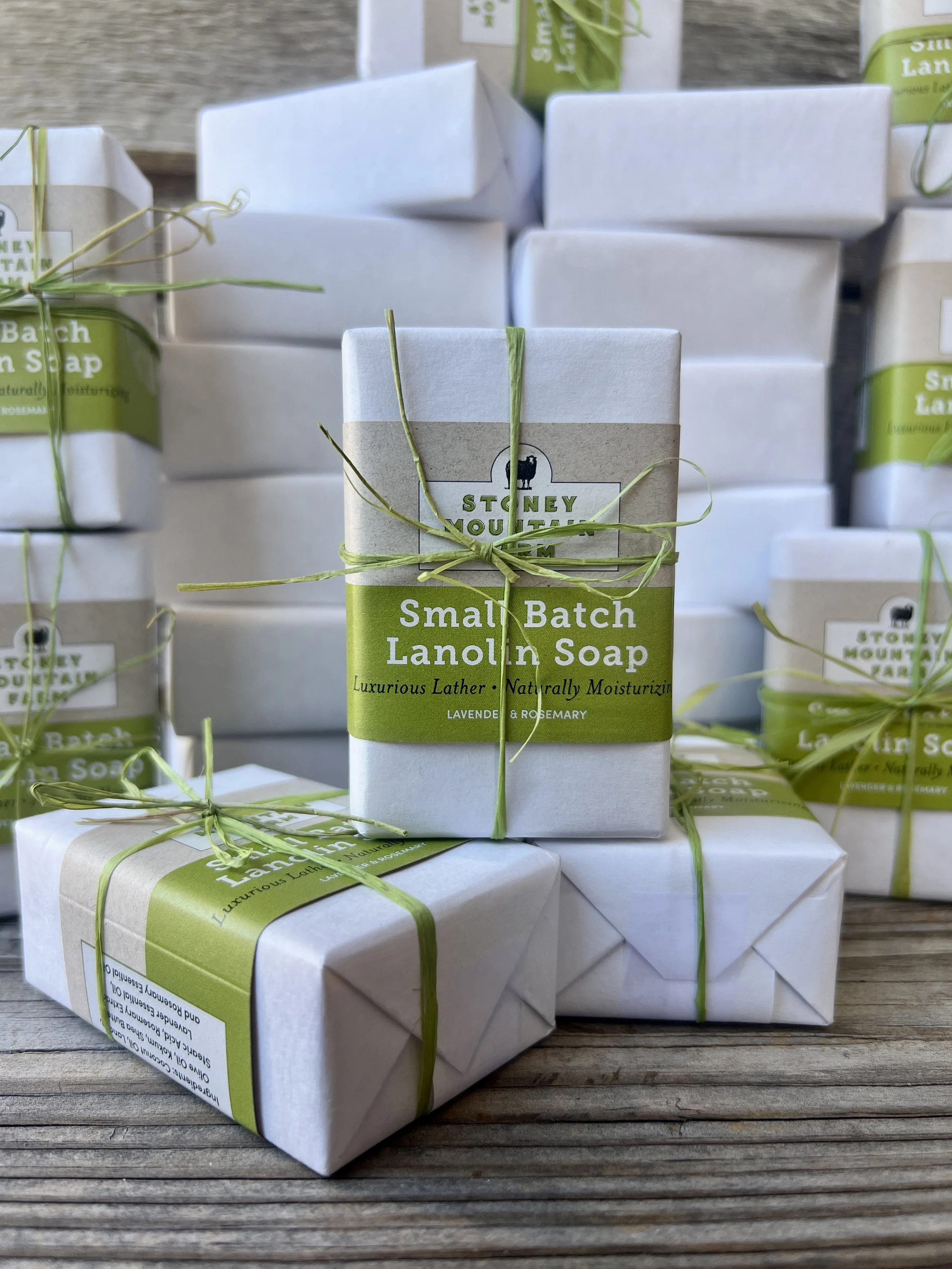
a stack of hand wrapped, small batch crafted lanolin soap bars in natural wrap
Our lanolin soap takes a slightly different approach — rather than being a pure lanolin product, it's a bar soap crafted with lanolin, coconut oil, olive oil, shea butter, and lavender and rosemary essential oils. The lanolin in the formula means your hands feel moisturized after washing rather than stripped.
Is lanolin safe? What about allergies?
Lanolin is generally considered safe and has been used in skincare and medicine for centuries. The FDA permits its use in over-the-counter skin protectants, ophthalmic products, and baby care items.
That said, a small percentage of people are sensitive to lanolin, particularly lanolin alcohol (a derivative used in many commercial products). This is sometimes confused with a "wool allergy," but the two are different — wool fiber irritation is a mechanical reaction, while lanolin sensitivity is a contact allergy.
If you've never used a lanolin product before, a simple patch test on the inside of your wrist is a good idea. Apply a small amount, wait 24 hours, and see if any redness or irritation develops. For most people, there will be none.
One important factor in lanolin sensitivity: purity matters. Highly refined, pharmaceutical-grade lanolin from well-managed flocks has a much lower incidence of allergic reactions than crude lanolin from unknown sources. The quality of the source — healthy sheep, clean wool, no chemical exposure — directly affects the quality and safety of the lanolin.
What to look for in lanolin products
Not all lanolin is created equal. Here's what separates a good lanolin product from a mediocre one:
Source transparency. Can the brand tell you where their lanolin comes from? Do they know the farms? Do the sheep graze on open pasture, or are they raised in intensive operations? Most commercial lanolin is bulk-sourced from industrial wool processing with no traceability. Farm-direct lanolin is rare, and it makes a difference.
Purity. Look for products that use pure or organic lanolin without unnecessary additives. Some products list lanolin but dilute it heavily with petroleum or synthetic fillers.
No chemical exposure. Lanolin absorbs whatever the sheep is exposed to. If the sheep were treated with chemical pesticides or parasiticides, trace amounts can end up in the lanolin. Products from farms that raise sheep without chemicals produce cleaner lanolin.
Packaging. If you're choosing lanolin products because you want something more natural, the packaging should reflect that. Eco-friendly, biodegradable packaging is consistent with the values that draw people to lanolin in the first place.
From sheep to your skin
Lanolin isn't a trendy new ingredient — it's one of the oldest and most effective moisturizers in existence. What's changed is that people are paying more attention to where their skincare ingredients come from, how the animals are treated, and what chemicals might be in the products they put on their skin.
We're proud to offer lanolin products made from sheep raised with care. No chemicals on the land, no chemicals on the sheep, no chemicals in the product. Just lanolin, the way nature intended it.
Explore our lanolin skincare line — Lanolin Lip Balm and Small Batch Lanolin Soap, made from our own heritage sheep wool.