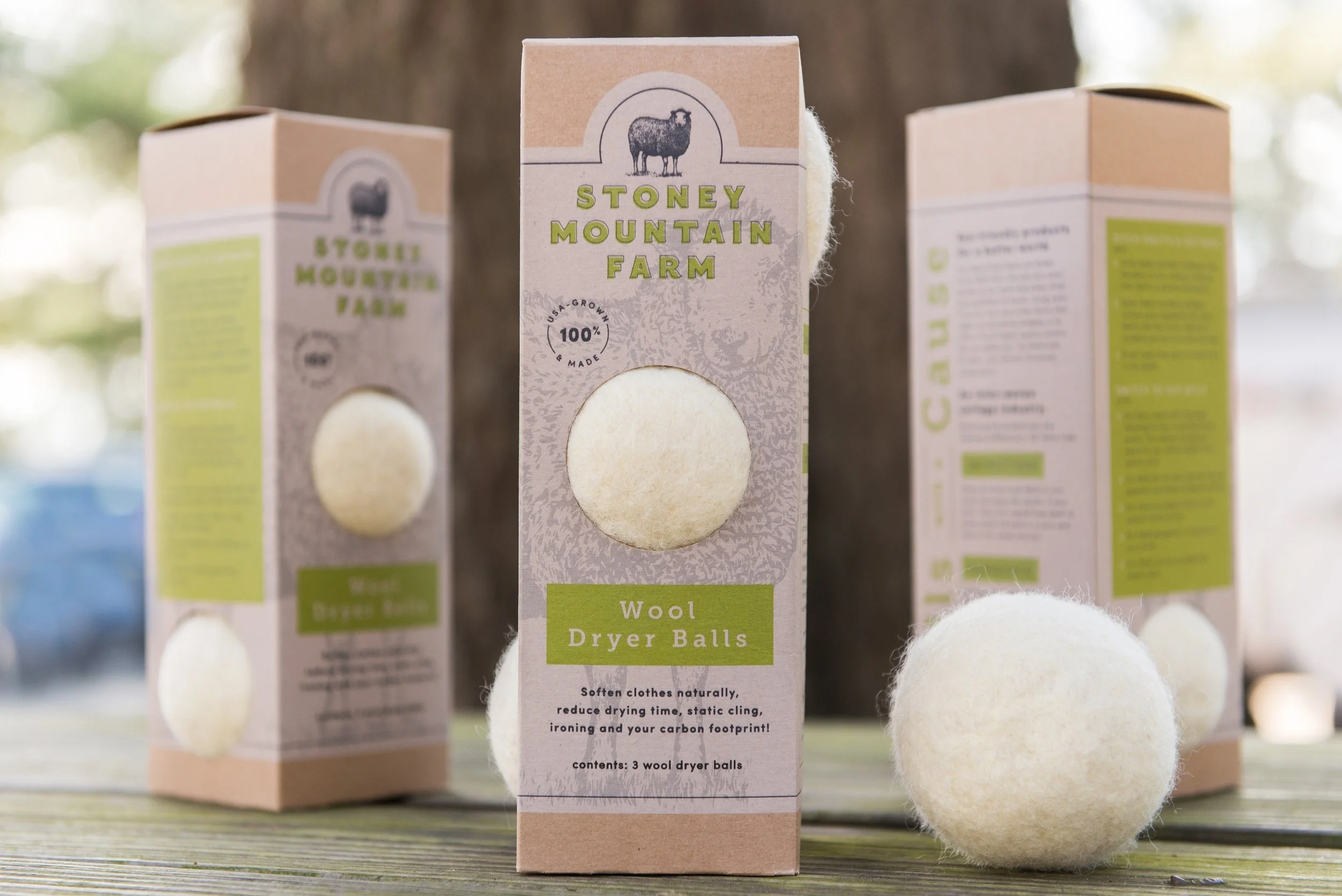
Wool Dryer Balls vs. Dryer Sheets: Why Natural Is Better
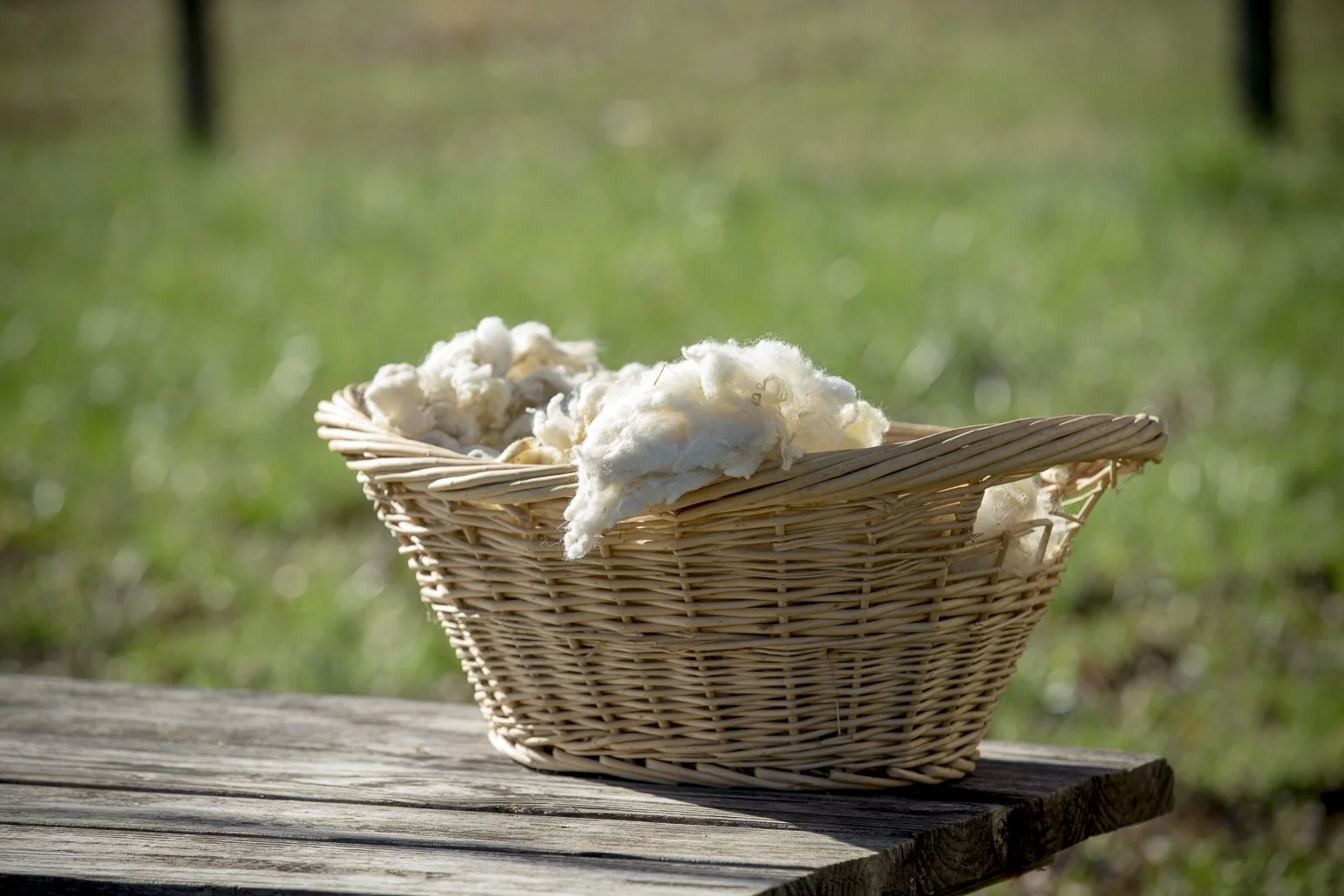
Freshly shorn wool in a basket in the green pasture
If you've been thinking about switching from dryer sheets to wool dryer balls, you're not alone. More households are making the swap every year — and for good reason.
When we started making dryer balls on our farm over seventeen years ago, most people had never heard of them. Today, it's one of the most common questions we get at farmers markets and on our website: Are wool dryer balls really better than dryer sheets? After years of making them by hand, testing them in our own laundry, and hearing from thousands of customers, we can say with confidence — yes, and it's not even close.
Here's what you need to know.
What dryer sheets actually do
Dryer sheets are thin polyester sheets coated in fatty acids, fragrances, and chemical softening agents. When heated in the dryer, these chemicals transfer onto your clothes. That "fresh" smell and soft feel comes from a waxy residue that coats fabric fibers.
What kind of chemicals? The list is longer than most people realize. Common dryer sheet ingredients include benzyl acetate (linked to pancreatic cancer), chloroform (a neurotoxin and carcinogen), linalool (a narcotic that can cause central nervous system disorders), and alpha-terpineol (which can cause respiratory problems). Several of these appear on the EPA's Hazardous Waste list.
Beyond the chemistry, the residue builds up over time. It reduces the absorbency of towels, clogs your dryer's lint trap and exhaust vent, and leaves a film on moisture-wicking workout clothes that actually makes them less effective. And because most dryer sheets are single-use, every load creates waste that heads straight to the landfill.
How wool dryer balls work
Wool dryer balls work through simple physics. As they tumble with your clothes, they separate fabric layers and allow more hot air to circulate between garments. This does three things naturally — no chemicals required:
They soften clothes. The gentle agitation of wool against fabric relaxes fibers the same way kneading softens dough. The result is naturally soft laundry without any chemical coating.
They reduce drying time. By keeping clothes separated, wool dryer balls improve airflow inside the drum. Most people see a 10–25% reduction in drying time, which means lower energy bills and less wear on your dryer.
They cut static. Wool naturally absorbs moisture from the air. In the dryer, this slight moisture helps neutralize the static charge that builds up between synthetic fabrics. For loads that still get staticky (all-synthetic loads in dry winter air), a light mist of water on the balls before tossing them in does the trick.
The real cost comparison
A box of dryer sheets costs around $8–$10 and lasts maybe 80–120 loads. A set of wool dryer balls costs $20–$25 and lasts over 1,000 loads — that's roughly 2–3 years of daily use. When you factor in the energy savings from shorter drying times, wool dryer balls pay for themselves within a few months.
Here's a rough breakdown for a household doing 5 loads per week:
Dryer sheets: ~$40–$50 per year, plus the hidden cost of reduced towel absorbency and dryer vent buildup
Wool dryer balls: ~$20–$25 every 2–3 years, with energy savings of $30–$50 per year from reduced drying time
What to look for in wool dryer balls
Not all wool dryer balls are created equal. Here's what matters:
100% wool. Some "wool" dryer balls on the market are blended with synthetic fibers or use low-quality imported wool. Pure wool performs better and lasts longer. Look for balls made from domestic wool — USA-grown wool from healthy, humanely raised sheep produces denser, more durable balls.
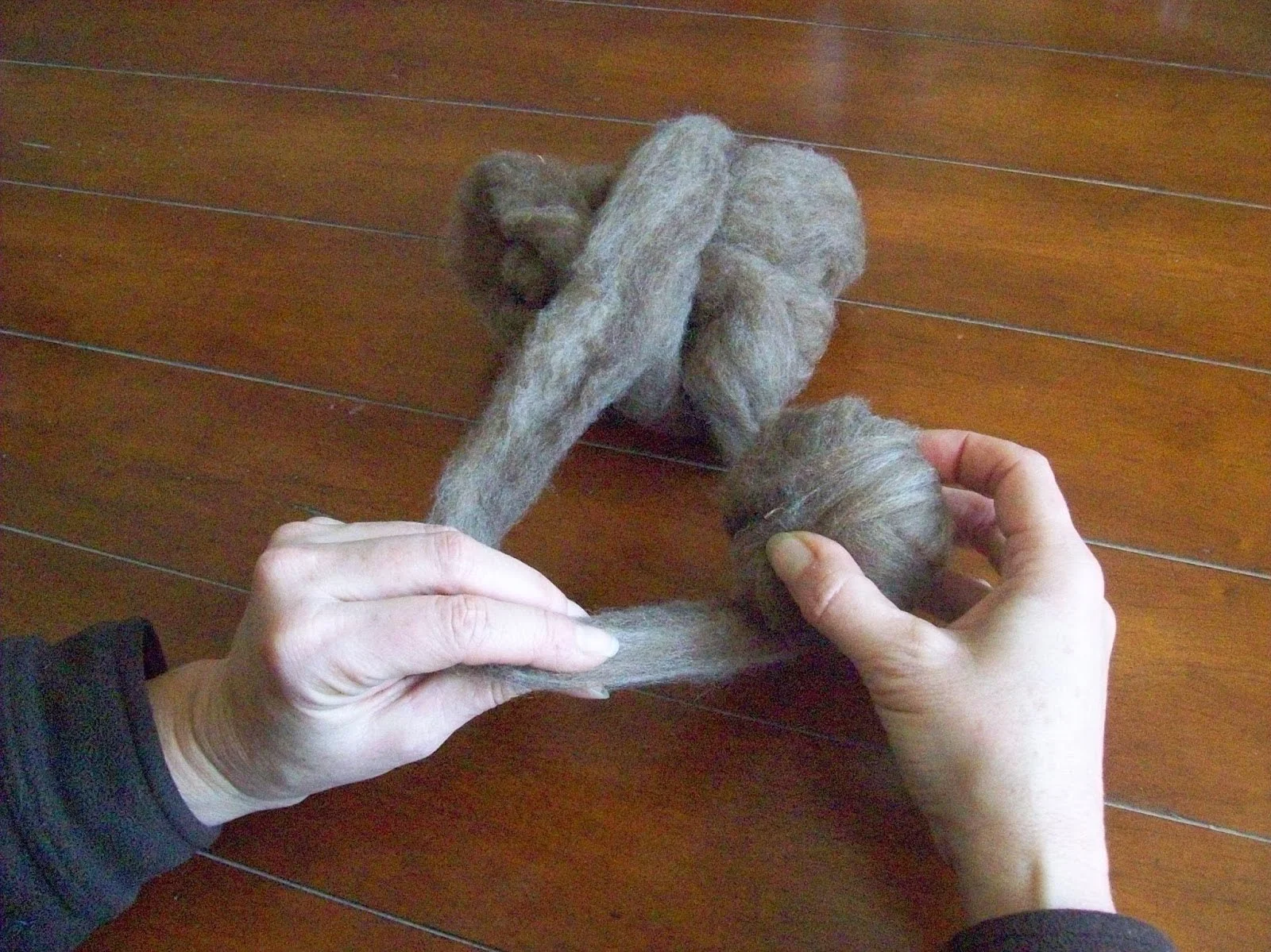
hand forming a wool dryer ball with wool roving
Size matters. Larger dryer balls create more separation between garments, which means better airflow and faster drying. Our standard dryer balls are tightly felted to maintain their size through hundreds of loads, and we also offer a mega-sized option for larger loads and commercial machines.
No chemicals, no dyes. The whole point of switching away from dryer sheets is to get chemicals out of your laundry. Make sure your dryer balls are undyed, unscented (unless you choose to add a natural fragrance), and free of chemical treatments.
How they're made. Mass-produced dryer balls from overseas are often loosely wound, which means they fall apart faster. Hand-felted balls made in small batches are denser and hold up significantly longer. It's the difference between a product that lasts a few months and one that lasts years.
Want a little scent? Skip the chemicals.
One of the most common reasons people stick with dryer sheets is the scent. If you love fresh-smelling laundry but want to avoid synthetic fragrances, there's a better way: natural laundry fragrance oils made from essential oils.
Just add 2–3 drops to each dryer ball before a load. A naturally derived scent, applied to wool, lasts through several loads without the chemical residue that conventional fragrance products leave behind.
The environmental picture
A single household uses roughly 300–500 dryer sheets per year. Multiply that by the 120 million households in the U.S., and you're looking at tens of billions of single-use sheets headed to landfills annually — sheets that are made from polyester and coated in chemicals that don't biodegrade.
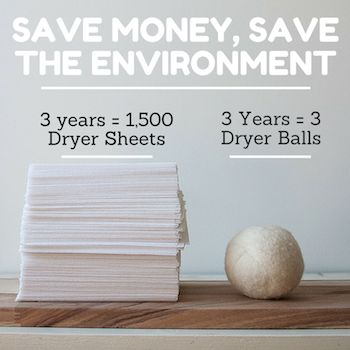
Wool dryer balls, by contrast, are 100% biodegradable. When they've finally reached the end of their life (after 1,000+ loads), you can compost them, use them as mulch in your garden, or even give them to a pet — dogs and cats love wool toys.
Making the switch
Switching from dryer sheets to wool dryer balls is one of the easiest sustainable swaps you can make. There's no learning curve — just toss 3–6 balls in with each load and let them do their thing. Your clothes come out soft, your towels actually absorb water again, your dryer runs more efficiently, and you stop adding unnecessary chemicals to your family's fabrics.
At Stoney Mountain Farm, our wool dryer balls are hand-felted from 100% USA-grown heritage sheep wool — raised right here on our farm in the piedmont of North Carolina. No chemicals, no dyes, no imports. Just wool, raised with intention.